Changes in the skin microbiota have been shown to be closely associated with chronological age, but how it specifically contributes to skin aging phenotypes remains unclear. To uncover this mystery, Professor Liu Xiao’s research group at Tsinghua Shenzhen International Graduate School conducted a systematic study on a cohort of individuals exhibiting various skin aging phenotypes, integrating phenomics, metabolomics, metagenomics, and functional analyses. Their findings were published in the journal *Microbiome* under the title "Multi-omics characterization of the skin microbiota reveals the anti-aging roles of *Stenotrophomonas maltophilia*."
**Figure 1.** Screenshot from the *Microbiome* website.
By combining genome-scale metabolic modeling with metabolomic analysis, the research team found that *Stenotrophomonas maltophilia* was significantly enriched in the "young group," defined by AI-predicted age and skin elasticity, and that it maintains skin redox homeostasis through the glutathione cycle. Furthermore, genome-scale metabolic modeling revealed that *S. maltophilia* may play a potential role in maintaining youthful skin by regulating host metabolic pathways involving betaine, lysophosphatidylcholine, and porphyrins. Meanwhile, another bacterium, *Acinetobacter guillouiae*, was found to affect host melanin metabolism by degrading dopamine and 3-methoxytyramine, offering a potential new intervention strategy for alleviating skin pigmentation.
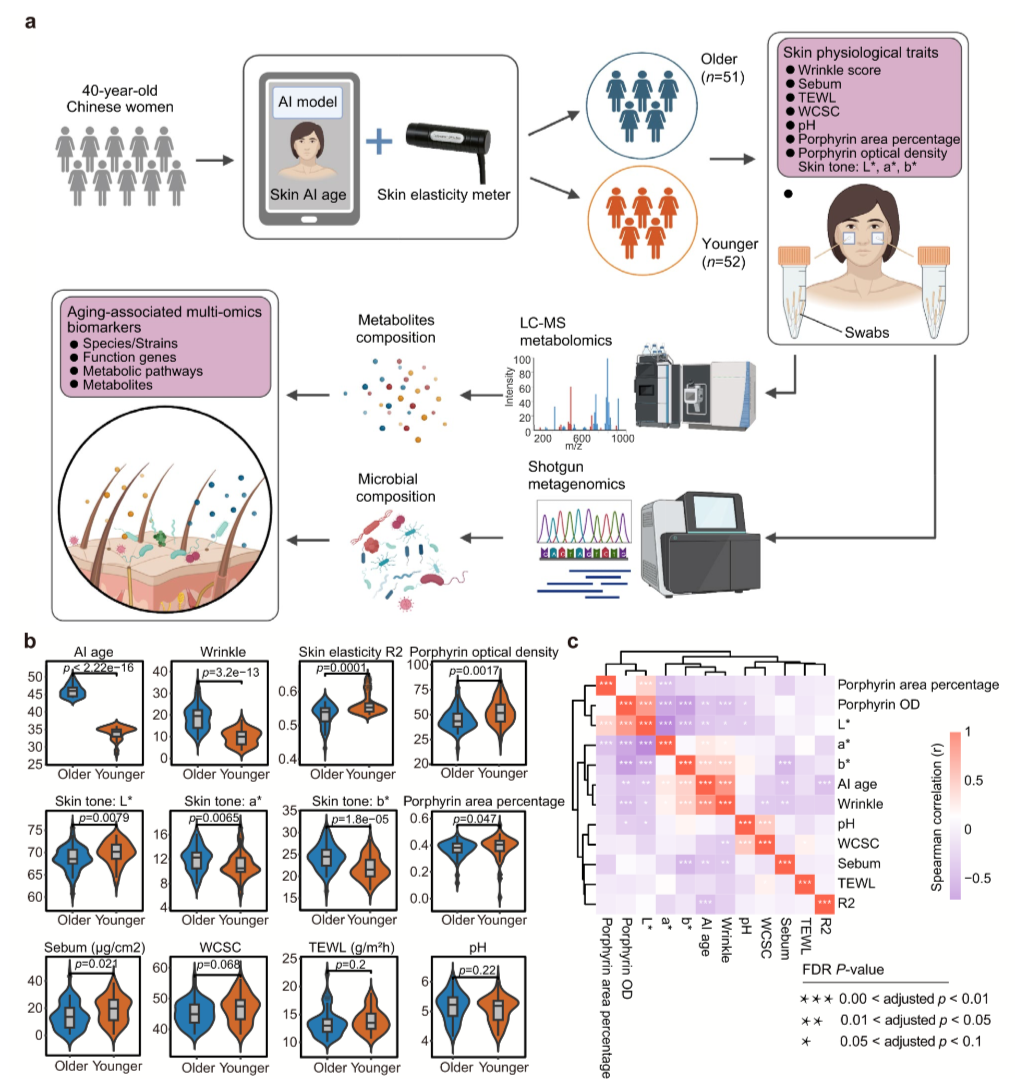
**Figure 2.** Analysis workflow and comparison of study design and skin aging phenotypes among women of the same age group.
Skin aging is not solely determined by chronological age; individuals of the same age can exhibit vastly different skin conditions. However, previous studies have mostly focused on differences between age groups, overlooking individual variations during the critical period around age 40. To investigate this, Professor Liu Xiao’s group studied 103 healthy women aged 39–41. They were divided into "young group" and "old group" based on AI-predicted visual age and skin elasticity. Using multi-omics approaches including phenomics, metagenomics, metabolomics, and genome-scale metabolic modeling, the team systematically analyzed the relationship between the skin microbiota and phenotypic skin aging.
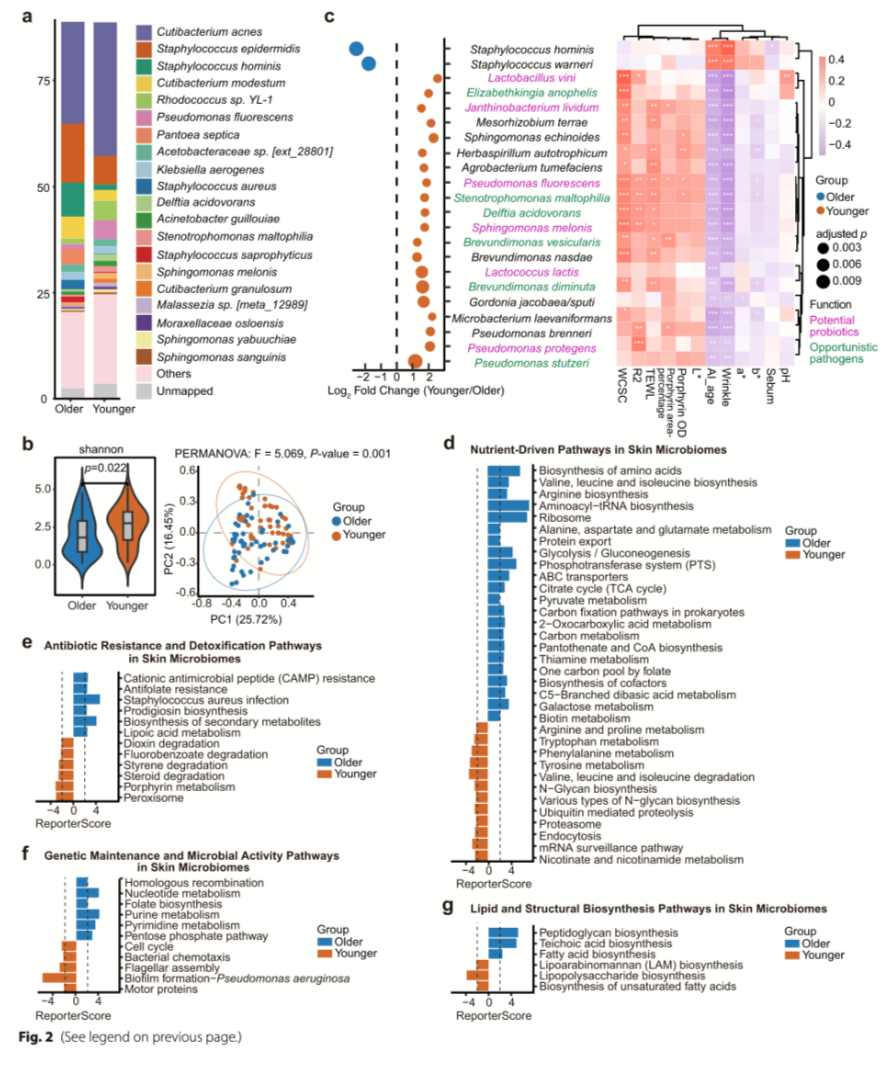
**Figure 3.** Integrated analysis of skin metagenomics.
The study found that microbial diversity on the skin was significantly higher in the young group than in the old group, overturning the previous notion that "younger skin has lower diversity." Among the bacteria, *Stenotrophomonas maltophilia* was significantly enriched in the young group and positively correlated with youthful indicators such as skin hydration and elasticity. Through genome-scale metabolic modeling and cellular experiments, it was demonstrated that this bacterium uses the glutathione cycle to help the skin resist oxidative stress: it promotes glutathione synthesis, upregulates antioxidant genes such as GCLM, SOD2, and NQO1, and alleviates hydrogen peroxide-induced cellular senescence. Its protective effects were also validated in a full-thickness human skin equivalent model. Additionally, genome-scale metabolic modeling suggested that *S. maltophilia* may participate in the metabolism of betaine, lysophosphatidylcholine (involved in hydration and anti-inflammation), and porphyrin-cobalamin, further supporting skin health.
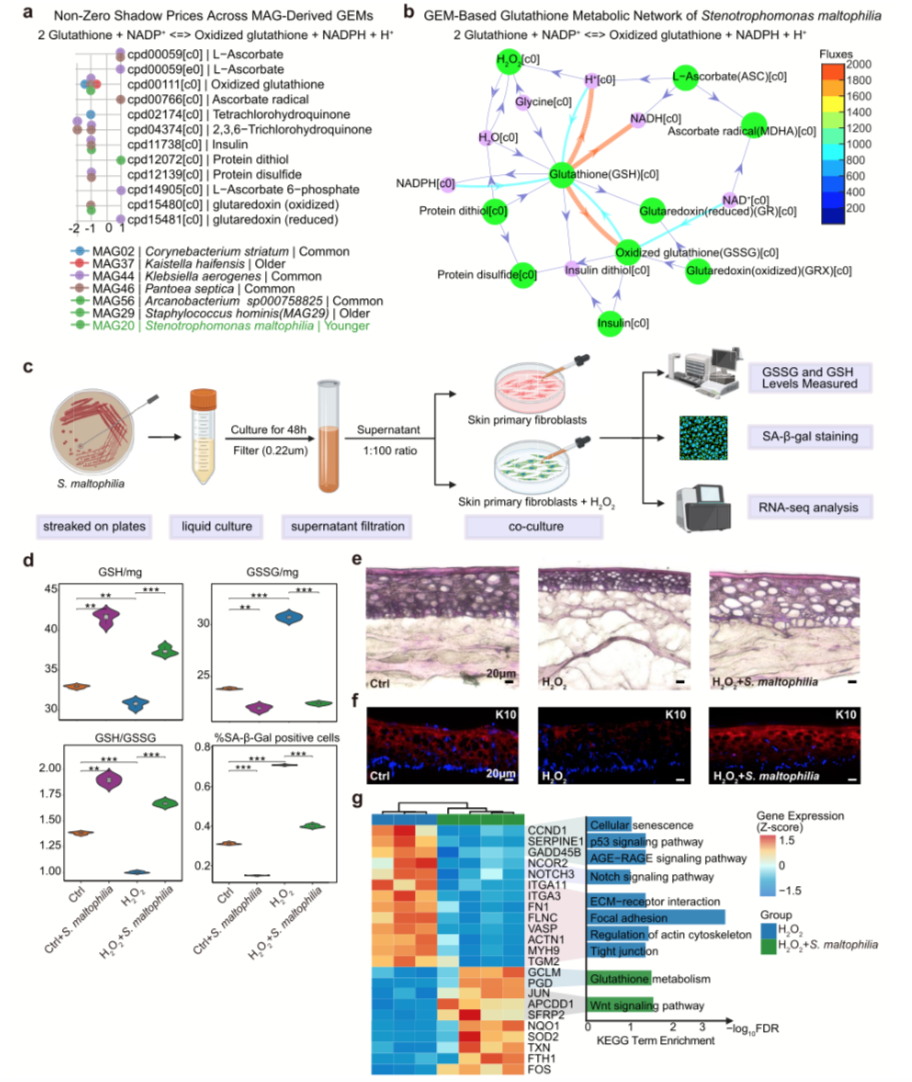
**Figure 4.** The role of *Stenotrophomonas maltophilia* in antioxidant defense.
This study is the first to systematically reveal the association between the skin microbiota and phenotypic skin aging within the same age group, discovering that *Stenotrophomonas maltophilia* exhibits antioxidant and anti-aging "symbiotic" functions under healthy skin conditions, despite typically being considered an opportunistic pathogen. Moreover, the study suggests that *Acinetobacter guillouiae* may be involved in melanin metabolism, providing new insights for reducing pigmentation. These findings provide a scientific basis for developing probiotic/postbiotic products for "skin care via bacteria" and open new directions for anti-aging strategies targeting the skin microbiota. Future research is needed to further identify specific active metabolites and validate causal relationships.
Original link:https://link.springer.com/article/10.1186/s40168-026-02433-6